


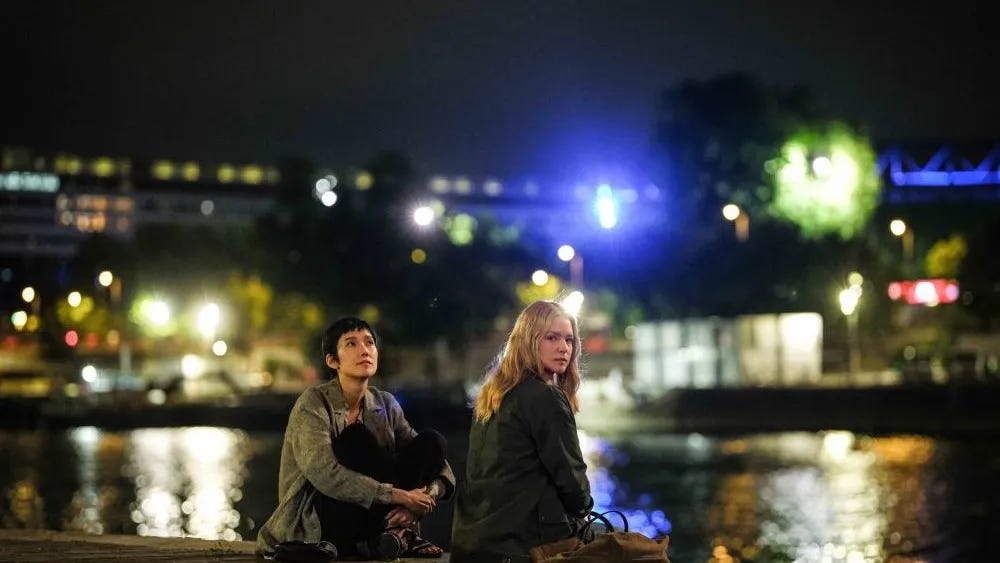
All of a Sudden (Ryûsuke Hamaguchi; France/Japan/Germany/Belgium)
Watching a 197-minute movie on day ten of a film festival may seem daunting, but not when the film quite literally practices the patience it advocates. In All of a Sudden, Ryûsuke Hamaguchi gives his characters time to just exist beside one another. For a film orbiting around what it actually means to care, or better yet, engage with someone, it couldn’t be more fitting.
Marie-Lou (Virginie Efira) directs the Garden of Freedom, a Paris nursing home in the early stages of implementing Humanitude, a care practice she later describes as built on the core philosophy of “engaging with others.” This work, rooted in dignity and human connection, is something she believes in deeply, even as her employees quit, the board refuses raises, and her co-worker tells her she’s edging toward burnout.
Marie-Lou also embodies a beautiful contradiction: everyone at the Garden relies on her, but when she goes home, she’s alone. When a resident dies, she waits to cry privately on the tram ride home. Before we even meet playwright Mari (Tao Okamoto), who has terminal cancer, we already understand that Marie-Lou spends her life giving care without really receiving it. By the time they meet, their friendship grows from an initial act of care that Marie-Lou performs almost automatically. So far, the film has mostly relied on static shots, but when Marie-Lou and Mari take their first long walk together, the camera tracks them. As they engage with one another, they bring movement into the film.
While Humanitude is Marie-Lou’s professional credo, it also seems to be Hamaguchi’s focus for the film. The idea is tested in different settings, from being introduced through elder care to Mari and Marie-Lou’s friendship, Mari’s theater, and physical touch. This becomes a recurring motif, first born from a reciprocal foot rub the two women share. For me, it may have been one of the movie’s purest expressions: no hierarchy, no patient or caregiver. One touches, and the other touches back.
Later on in the film, I scribbled down a telling line: “Up close, no one is normal.” All of a Sudden seems deeply suspicious of boxing people into categories like healthy or sick, or normal or abnormal. That foot-rub scene reappears at the nursing home, but it becomes a puddle of bodies on the grass, young and old, touching and sharing the same space. That philosophy of touch becomes communal, dissolving the boundary between the person who gives care and the person who receives it. While we’re repeatedly shown places and people with bodies that are often discussed clinically, Hamaguchi keeps reclaiming the body as something capable of pleasure, affection, movement, and connection. It’s an extraordinarily gentle and tactile film, but never a slight one. My favorite of VIFF, easily.
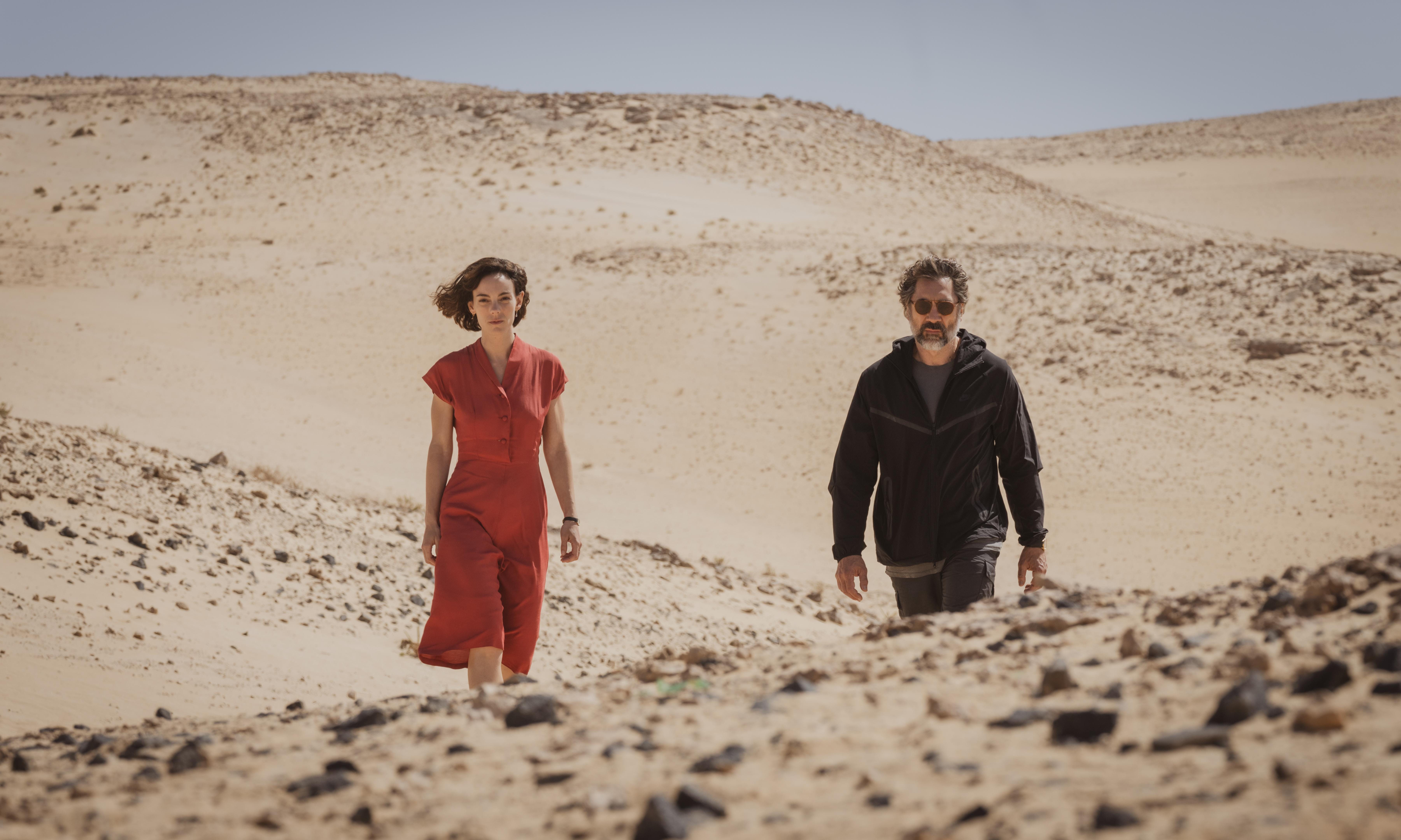
The Beloved (Rodrigo Sorogoyen; Spain)
If the first 20 minutes of Rodrigo Sorogoyen’s The Beloved hook you, you’re in luck: this overwhelmingly tense lunch sets the tone for the whole movie. Esteban Martinez (Javier Bardem), a legendary filmmaker, meets Emilia (Victoria Luengo), his estranged daughter, after 13 years apart and offers her a role in his new film, Desert. “It’s a story about betrayal, a story about abandonment, it’s a story about love, about people who can’t look each other in the eye,” he tells her. He insists she earned the part on her own merits, but also admits he wants to help her because, as a father, he never really did.
That lunch also reveals how differently they remember their shared past. Esteban recalls taking Emilia to the cinema as one of the few good memories of his life. She remembers one such outing very differently: Esteban was drunk and high, got into a fight, was thrown out of the theater, and put his tween daughter in a cab home alone. Instead of responding with curiosity or remorse, he disputes her version. For a filmmaker whose job is to construct narratives, Esteban seems desperate to retain editorial control over their history.
Once we arrive in the desert and witness huge landscapes, convoy shots, and endless sets and crews, the film’s physical scale expands. As for Esteban and Emilia? Their emotional conflict merely has more space to roam. Then, Sorogoyen takes this idea to a whole other formal level. As tensions rise, The Beloved slips between color and black-and-white, widescreen and boxier frames, and different film formats. Are we looking at different ways to frame experience? Quite possibly. Esteban also keeps trying to direct Emilia outside the boundaries of the film they’re shooting. It starts benignly by giving her acting notes, but he eventually starts telling her how she should handle her drinking because he sees his younger self in her. Emilia draws the line explicitly: she came there to be an actress in his movie, not to be his daughter.
Perhaps Esteban has changed, perhaps he hasn’t. Either way, cinema may be the only language he knows well enough to try to reach Emilia through, though it still cannot give him final cut over the story they share.
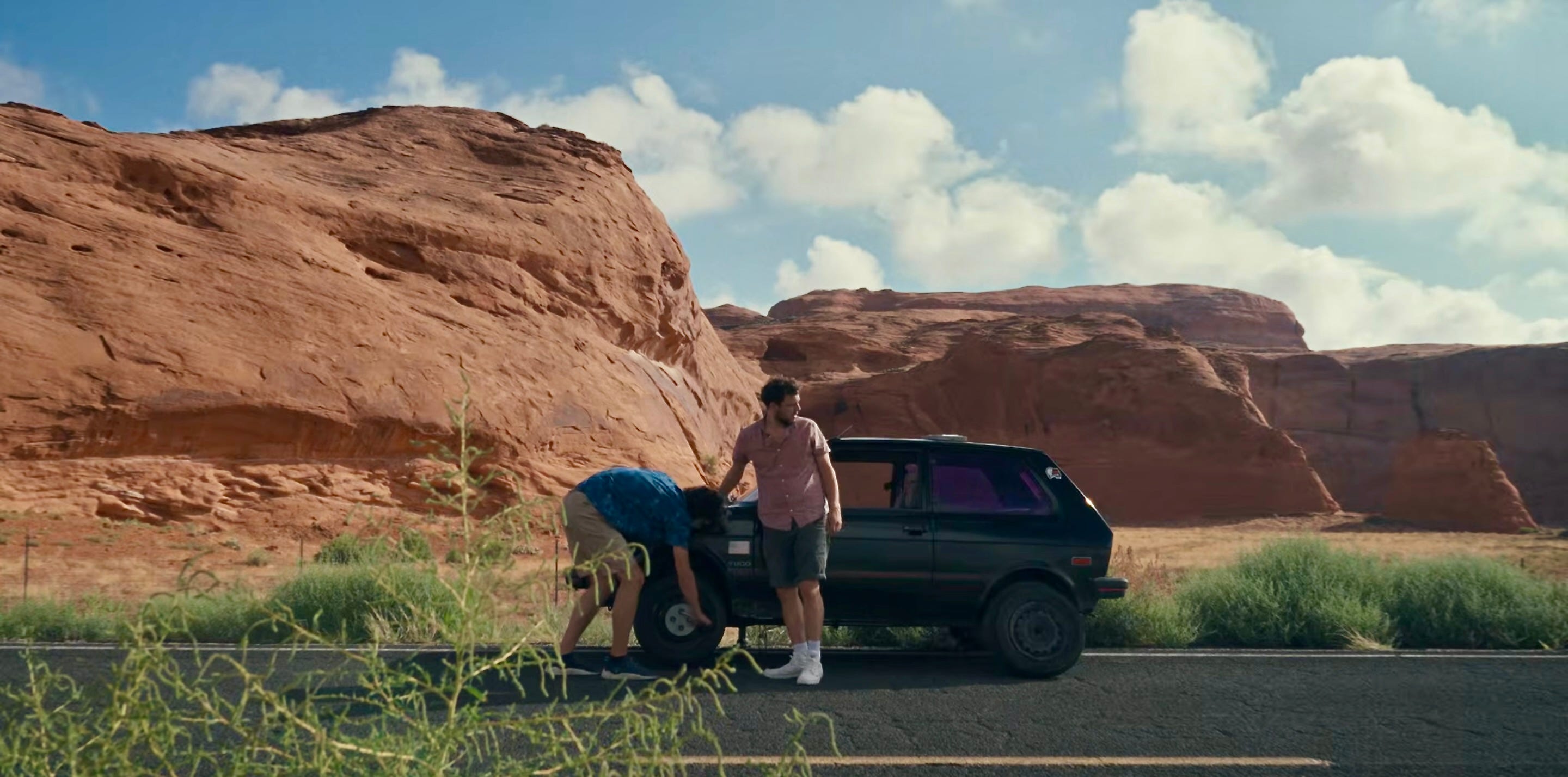
Yugo Goes to America (Filip Grujić, Aleksa Borković; Serbia/Croatia)
I knew Yugo Goes to America had me almost immediately. Maybe it’s inevitable when you’re also from former Yugoslavia and have, yes, actually ridden in a Yugo before. The lore, oh the lore. Filip Grujić, Aleksa Borković, and the rest of their crew set out to drive across the United States and answer one crucial, incredibly important question: is it really the worst car ever made?
Mechanically? I mean, the evidence isn’t flattering. The Yugo they buy from a couple in Pennsylvania breaks down in New York, eventually decides it only wants to go in reverse, has the speedometer practically experience an exorcism, inspires stories about cooling the engine with literal ice (which is also put into practice), all while running to the tune of constant clanging noises. At one point, the boys meet one of the businessmen who originally imported Yugos to the U.S., and even he sits inside it, shakes his head, and insists it’s not representative of the cars they sold.
Sure, all these almost Looney-Tunes-esque issues had me howling, but I also found myself beaming at the reality that many people still love this damn thing. Across the country, strangers stop to reminisce, while enthusiasts, including Nick in Ohio (whom the crowd loved), quickly share their own collections. Meanwhile, Filip, Aleksa, and the gang run into ex-Yugoslav communities that feed the crew, fix the car, and, heck, even take turns driving it for the sheer nostalgia of it all.
I don’t think I laughed harder at VIFF, or, as Filip himself puts it, “All I know is that in the worst car, I had the best fun.”
I've heard lots of good things about All of a Sudden. Will definitely have to try to find that one!