


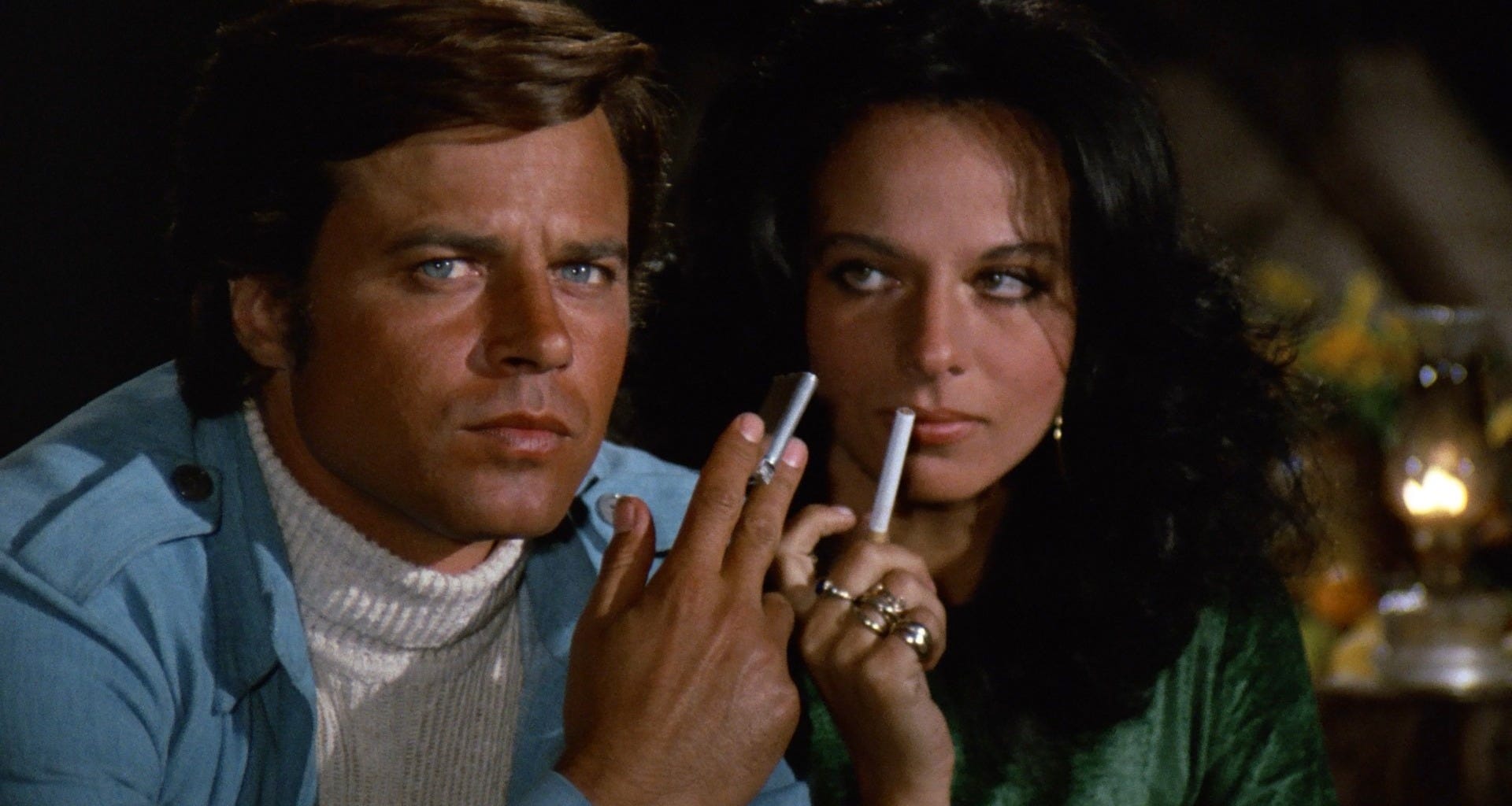
Remember how I said that R&R is on a brief hold until the Vancouver International Film Festival kicks off? Well, I lied. I decided to squeeze in a few more watches from my Radiance physical media stack, and ended up spending the week with three wealthy Italian men, none of whom have a clue how to behave themselves. Boys!
The three films were released between 1963 and 1971, and wealth and privilege are the obvious connections between them. What’s more interesting, though, is how their respective filmmakers explore the limits of male control. Through a tightly constructed drama, an increasingly vicious comedy, and a fractured psychological thriller, we’re left wandering through worlds that refuse to play by the rules their protagonists feel entitled to.
Let’s rewind and revive.
Corruption (Mauro Bolognini; 1963)
In Mauro Bolognini’s Corruption, everything can be orchestrated if your pockets are deep enough. Which makes it funny that the film’s opening tries to convince our young hero, Stefano (Jacques Perrin), otherwise. At his graduation, Stefano listens to his headmaster speak about moral responsibility and making a conscious effort to walk through life with goodness. This pursuit of good, he says, is their “true education.” He pauses, looks at the camera, and suddenly, Giovanni Fusco’s ridiculously sexy jazz score kicks in, as if taunting the headmaster. Stefano comes into focus again, smiling as he waits to receive his diploma. As Fusco’s score grows more confident, the title card appears directly across Stefano’s face: CORRUPTION. So much for subtlety.
Stefano has made the decision to enter a monastery, determined to search for something “immaterial” in a vapid world. He has firsthand experience of this landscape defined by power, as his father, Leonardo (Alain Cuny), is a wealthy Milanese publisher with a philosophy the polar opposite of Stefano’s headmaster. In Leonardo’s world, as he tells his son, “There are two sets of morals: One for those who command, and one for those who obey.” Dubbing Stefano’s education “pointless,” he tells him it’s time he became an industrialist, too.
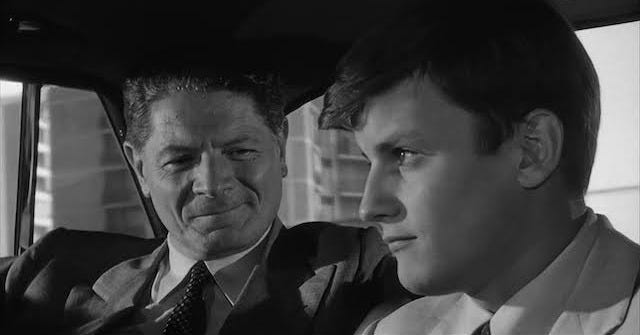
When Stefano reveals those plans to his father, we get a brilliantly comical scene where they’ve both retired to their sprawling home, and as Leonardo walks around and turns off all the lights, his son’s declaration causes him to immediately switch them on again. Tension builds as the audience waits for Leonardo’s rage, yet it never arrives. He simply strolls to his bar, pours himself a drink (offering Stefano one, too), and begins discussing their respective worldviews. The exchange can be read as remarkably civilized, when in actuality, it’s merely tactical. Leonardo is an industrialist, remember?
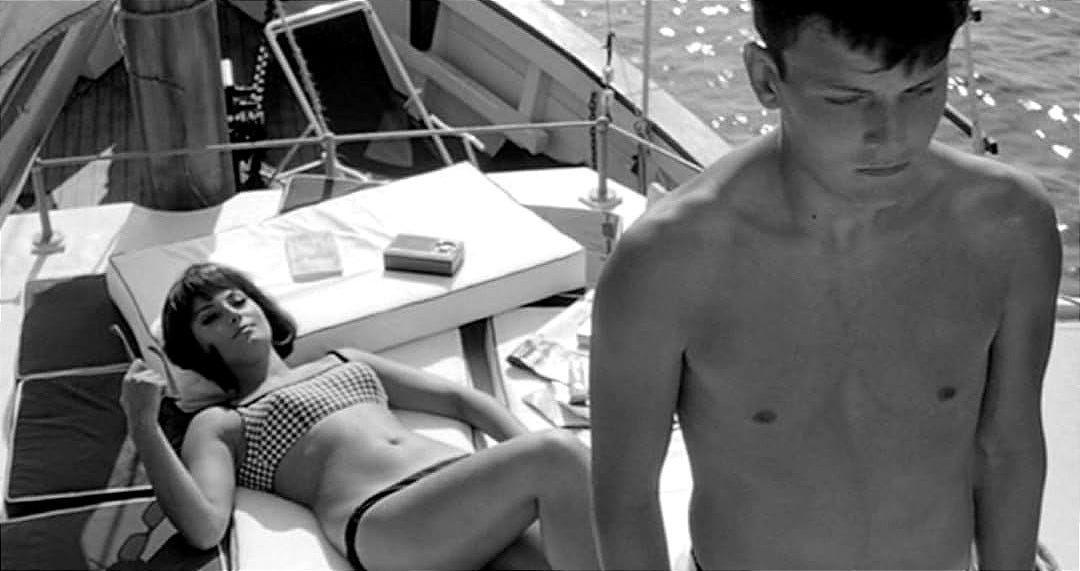
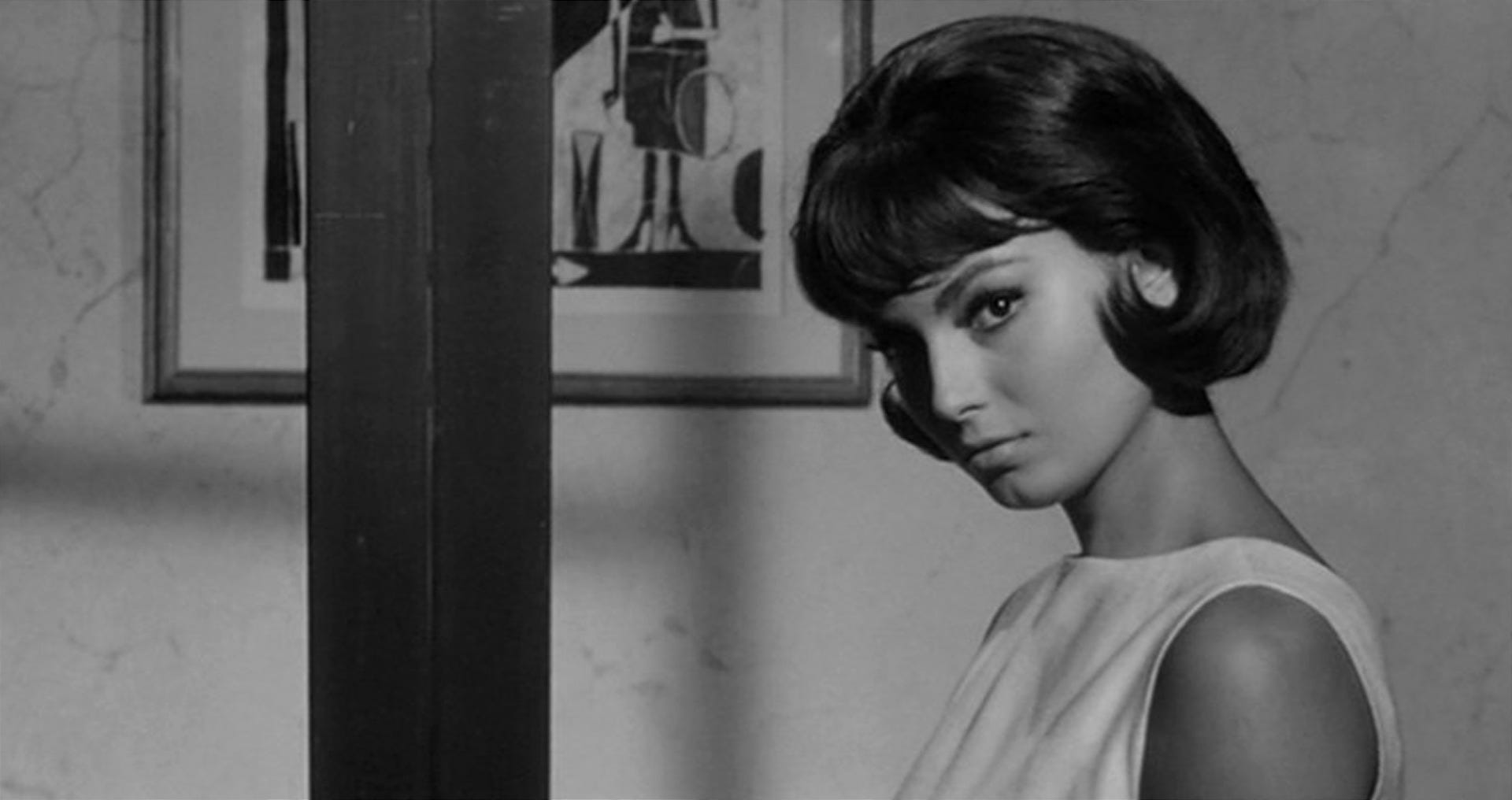
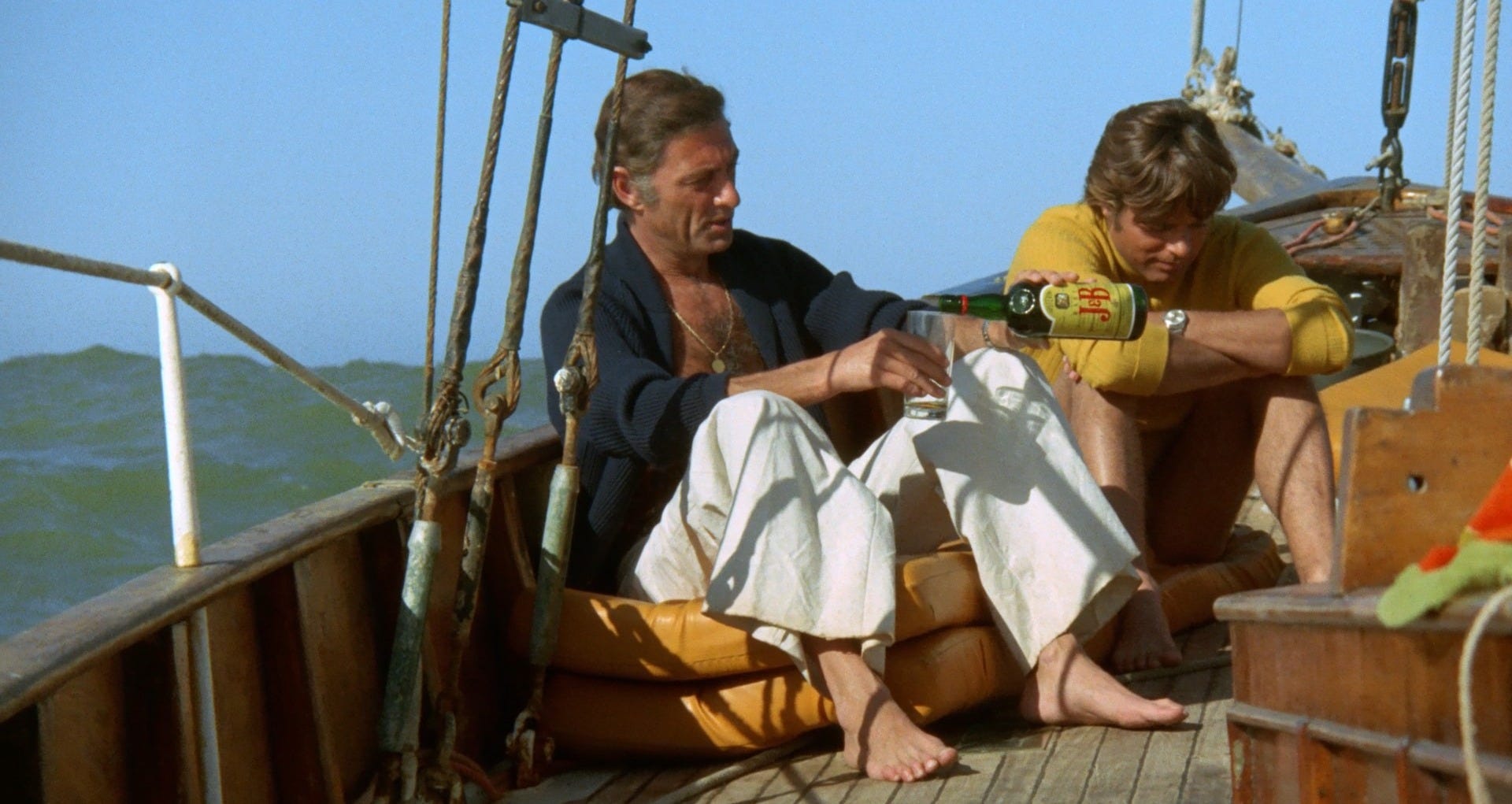
The film then moves to the main stage: aboard Leonardo’s gorgeous yacht. Telling Stefano that they need some bonding time, alone, the men head out the following day. The catch? Leonardo failed to tell his son that he invited the alluring Adriana (played by the impossibly stunning Rosanna Schiaffino), too. And so begin the mind games.
Leonardo’s true power lies in his ability to turn relationships into transactions. Rather than argue with Stefano, he slowly begins building the ultimate chessboard, with Adriana at the center of his gambit. Bolognini is smart here, as he doesn’t reduce her to a simple temptress. Of course, Stefano is fascinated by her immediately, yet any sort of outward attraction morphs into blunt glares and a repeated interrogation of her sexual history. As the summer heat bears down and their attraction swelters even more, Stefano still manages to assume the moral high ground. Silly little pawn.
Bolognini choosing to make Stefano imperfect is important. The young man’s ideals are sincere, no doubt, but they’re also rigid, shaped in part by his inexperience. Leonardo is well aware of this vulnerability, so he knows exactly where to exploit it.
For a film as visually stunning as Corruption, its mechanics are hideous. This isn’t merely a battle between father and son; everywhere Stefano turns, people operate by the same transactional logic, even those who speak his language of morality. Corruption is the admission fee to ride the train to cushy adulthood. When Adriana congratulates Stefano for finally “understanding” how the world works, Bolognini has turned that word into something poisonous. Knowledge is power, I guess, but why is the reward so rotten?
You can purchase Corruption via Radiance or MVD Shop.
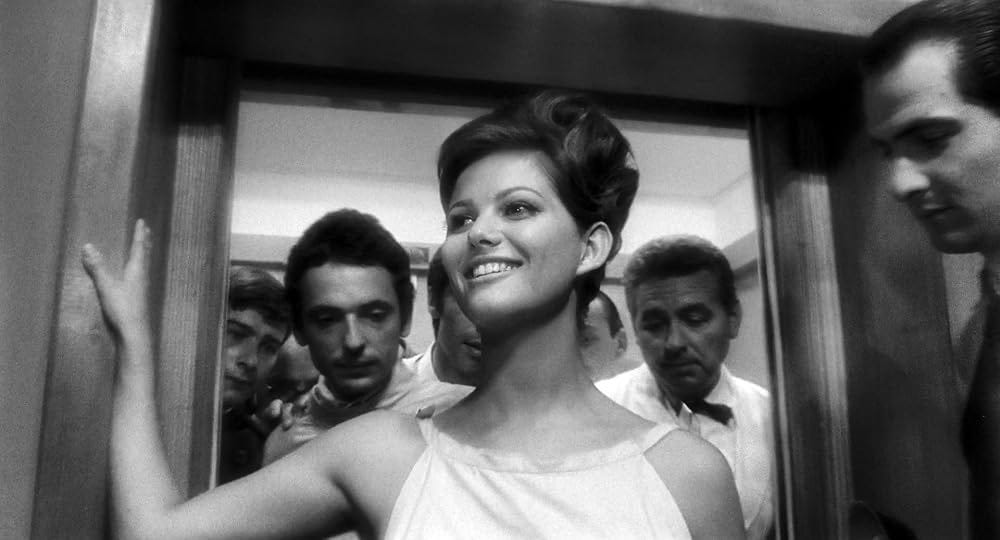
The Magnificent Cuckold (Antonio Pietrangeli; 1964)
When we first meet Andrea Artusi (Ugo Tognazzi) in Antonio Pietrangeli’s The Magnificent Cuckold, he, for all intents and purposes, has absolutely nothing to worry about. A jaunty tune by Jimmy Fontana plays as Andrea struts down the street, and it doesn’t take long to figure out that he’s rich, successful, and very happily married to the frankly absurdly beautiful Maria Grazia (Claudia Cardinale). So in love this pair is that when she asks him one evening if her neckline is too low, he encourages her to wear it anyway. “If you got it, flaunt it,” he exclaims with gusto. Other men can look, sure, but in Andrea’s eyes, Maria is yet another one of his flashy toys.
What happens, though, when you break your own toy? Or, more accurately, when your “toy” turns out to have a will of its own?
Andrea discovers this pretty quickly. In his world, affairs abound among the elite, and after a flirtatious encounter with Cristiana (Michèle Girardon), Andrea decides to dip his toes into uncharted territory. Cristiana practically gives him a masterclass in the mechanics behind it, showing him how to discreetly park his car, disappear into a hotel room, manufacture an alibi, and avoid names. After their first tryst, Andrea leaves, paranoid his fling’s French perfume is still on his hands. His solution? Buying his wife a chinchilla stole, because nothing says marital bliss like panic-purchasing fur after adultery.
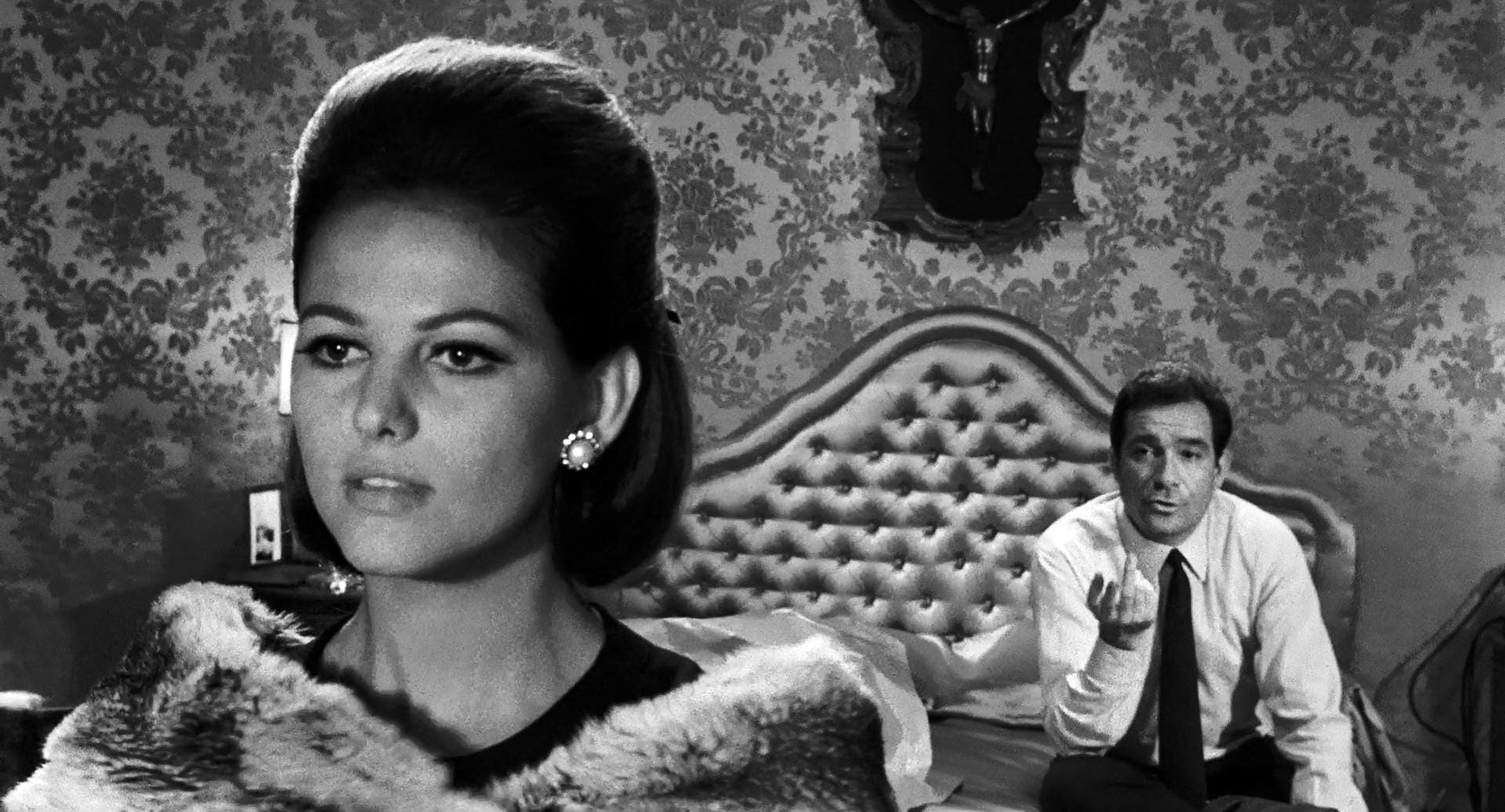
Maria Grazia doesn’t suspect a thing, but Andrea can’t relax. He now understands how easily a spouse can lie. Suddenly, the very beauty of his wife that he once proudly displayed becomes a threat to his ego — never mind the loving marriage they’ve built. It’s Andrea’s pride, first and foremost, that has made a spectacular mess of everything.
In the early 1960s, Italy was going through what was known as the “Economic Miracle” (il miracolo economico), and much of Pietrangeli’s 1964 comedy reveals the upper-class world Andrea surrounds himself with. While this economic boom undeniably improved material life, what happened to the emotional life? Wealth can’t fix insecurity, and Andrea’s increasingly spectacular breakdown exposes some of the contradictions beneath all that newfound prosperity.
Andrea has seemingly “made it” in life, accumulating all of the outward markers of successful modern bourgeois life. For all the genuine affection he shows Maria Grazia, she’s tangled up in that same logic of possession, alongside his inherited business, convertible, multiple homes, and social position. Of course, you can’t secure another human being like an asset. This is what makes the chinchilla stole hilariously ironic: after violating his marriage, his instinct is to literally buy something for his wife. Again, affection and commodities get muddled together with guilt and status.
The paranoia only gets worse for Andrea, and he starts authoring his own nightmare as his fantasies grow increasingly elaborate. Pietrangeli gifts us with some increasingly outrageous dream sequences as Maria Grazia moves confidently through hotels, surrounded by men, and eventually delivers an entire sexual spectacle.
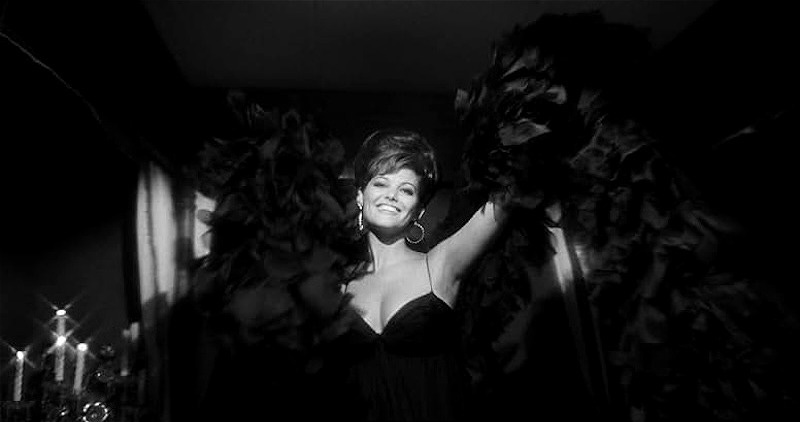
Which brings us to the best part of The Magnificent Cuckold: the confident and charming Maria Grazia herself. Andrea’s peers initially describe her as a “fortress” when it comes to her loyalty to her husband, but the film gives us more insight into her mind as it goes on, and, more importantly, gives her agency. The great irony is that Andrea’s increasingly desperate attempts to understand and control his wife only reveal how little he seems to understand her at all.
Andrea has everything a man of his world is supposed to want, but in this commedia all’italiana, the joke is that “everything” never amounts to enough to feel secure.
You can purchase The Magnificent Cuckold via Radiance or MVD Shop.
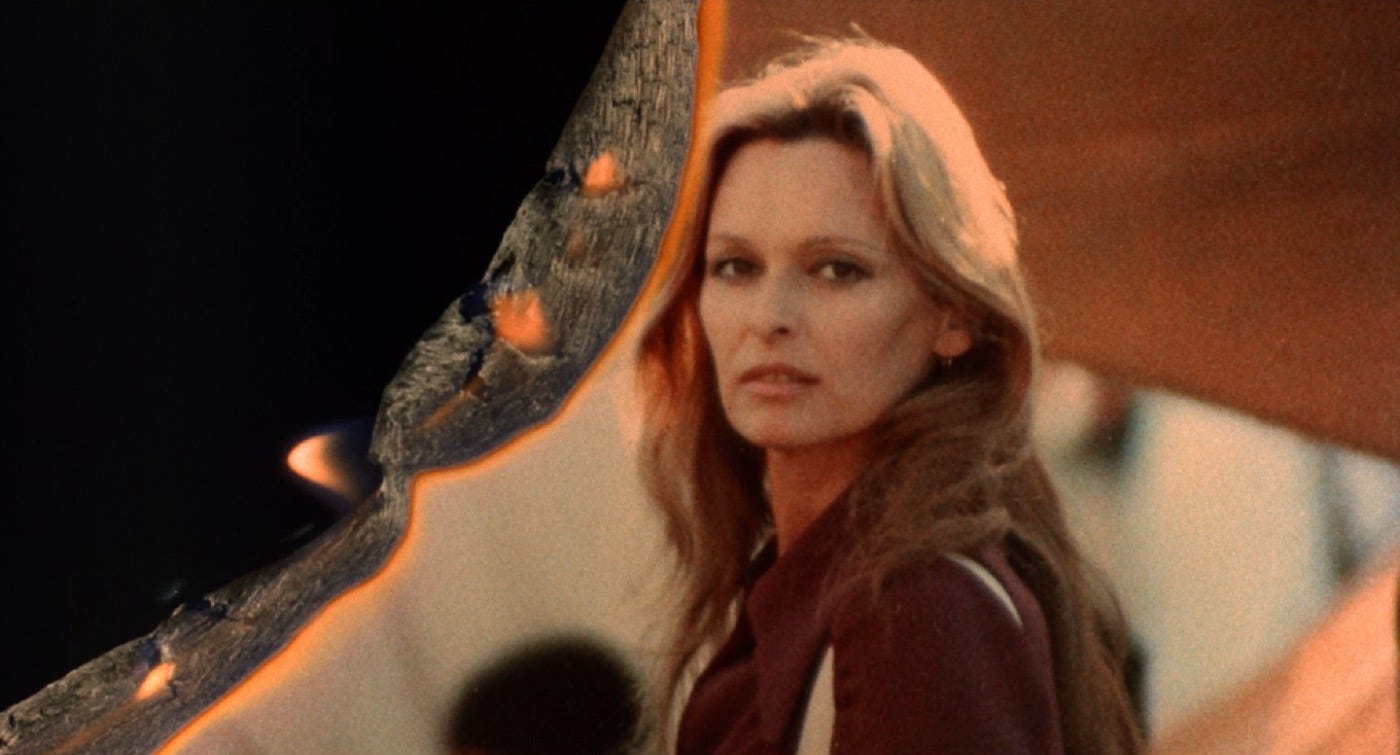
The Double (Romolo Guerrieri; 1971)
“What do you want?!”
Lucia asks Giovanni this more than once in Romolo Guerrieri’s The Double, and, honestly, it may be the most difficult question anyone has put to him. Maybe he wants, well, everything? Giovanni (played by giallo mainstay Jean Sorel) is a wealthy, handsome layabout who lives a cushy life thanks to his father’s brick factory and brother’s construction business. He’s an architecture graduate but only dabbles in the profession, sympathizes with hippies from a safe distance, and openly admits to his own idle lifestyle with a dazzling smile. He’s not really committed to any version of himself, so if you ask him what he wants, the answer will change depending on who’s in front of him.
Giovanni’s slippery nature is precisely what makes an already head-scratching film even more of a puzzle to solve. The Double opens with our lead being shot in a parking garage by a man dressed in black, then instantly splinters into memories and repetitions as Giovanni’s life, quite literally, flashes before his eyes. I hesitate to fully commit to that notion, however, as we soon discover that not all that flashes can be trusted. Guerrieri keeps pulling the rug out from under us, sometimes so casually that it takes a moment to realize the scene we just watched may not have even happened at all (my notes throughout this one were unhinged, to say the least). Giovanni daydreams about murders, and he replays certain scenes with different characters, all while his actual memories unfurl in an infuriatingly unchronological way. Even Armando Trovajoli’s wonderfully breezy score gains a separate anxious piano line, as though an entirely different movie is leaking into this one.
All of this, of course, brings us back to the central question his wife, Lucia (Ewa Aulin), poses: What does Giovanni want? The deeper we dig into his memories, the more the story comes into focus, yet the mystery grows less and less interesting than watching a man who has spent his entire life projecting whatever he wants to see onto everyone around him.
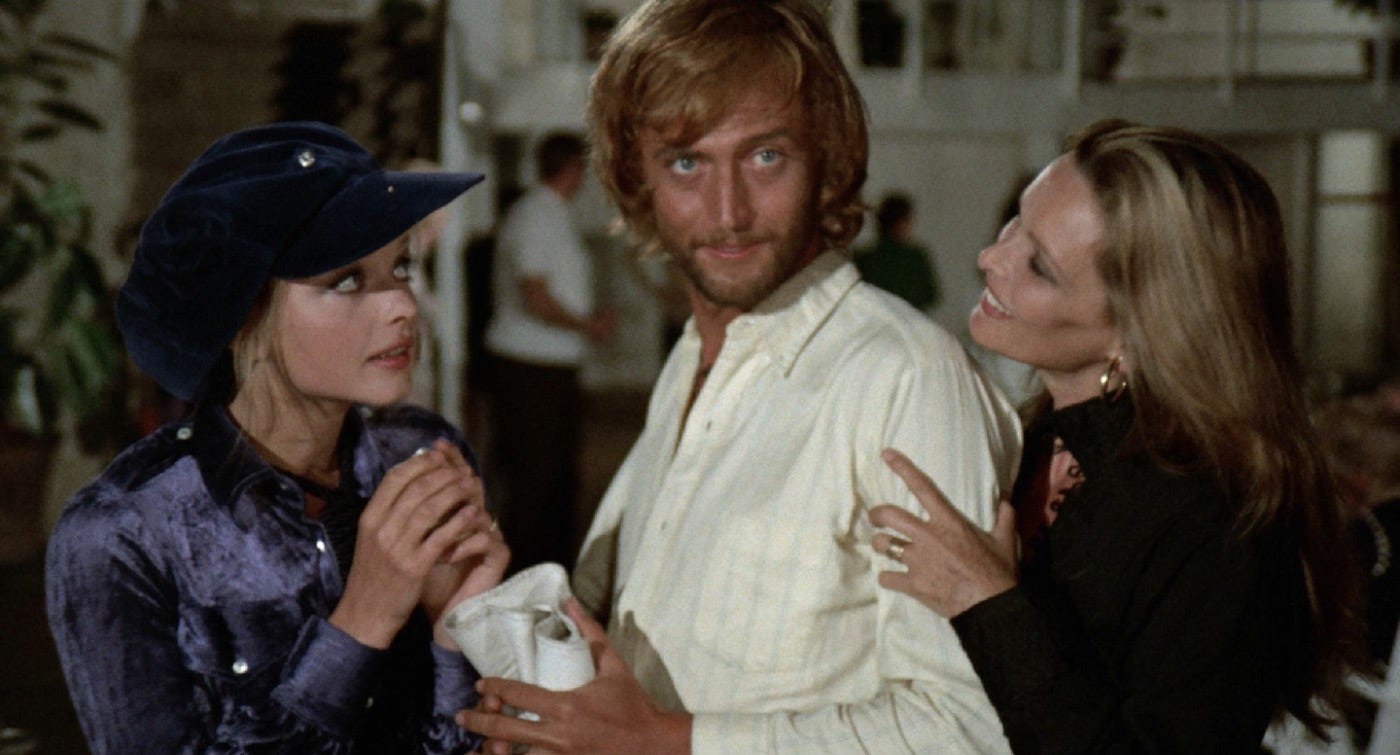
Nowhere is that projection clearer than with Eddie (Sergio Doria), an American traveler who barely needs to speak before everyone around him decides exactly who he is. It’s not just Giovanni who does this, either. While he immediately dislikes him as a “loner,” Lucia is fascinated. Their friend, Roger (Silvano Tranquilli), reduces him to his “hippie” lifestyle, and Lucia’s mother, Nora (Lucia Bosé), is clearly attracted to him, as well. As Giovanni’s jealousy grows, he turns Eddie into a sexual rival, with some insane hallucinations, to boot. His problem, then, becomes one of narcissistic privilege: he cannot stop making other people characters in a story about himself. So much so, in fact, that this is what floods his mind when he’s shot.
To answer Lucia’s question, Giovanni wants freedom, provided everyone else exercises it on his terms. Maybe that’s why he never gives her an answer. He wants everything, though he doesn’t seem particularly interested in understanding what any of it is. For a man who spends so much time trying to decode everyone else, Giovanni never seems to consider that he might be the real puzzle.