

The Air Between Us
On Johnnie To’s Romancing in Thin Air

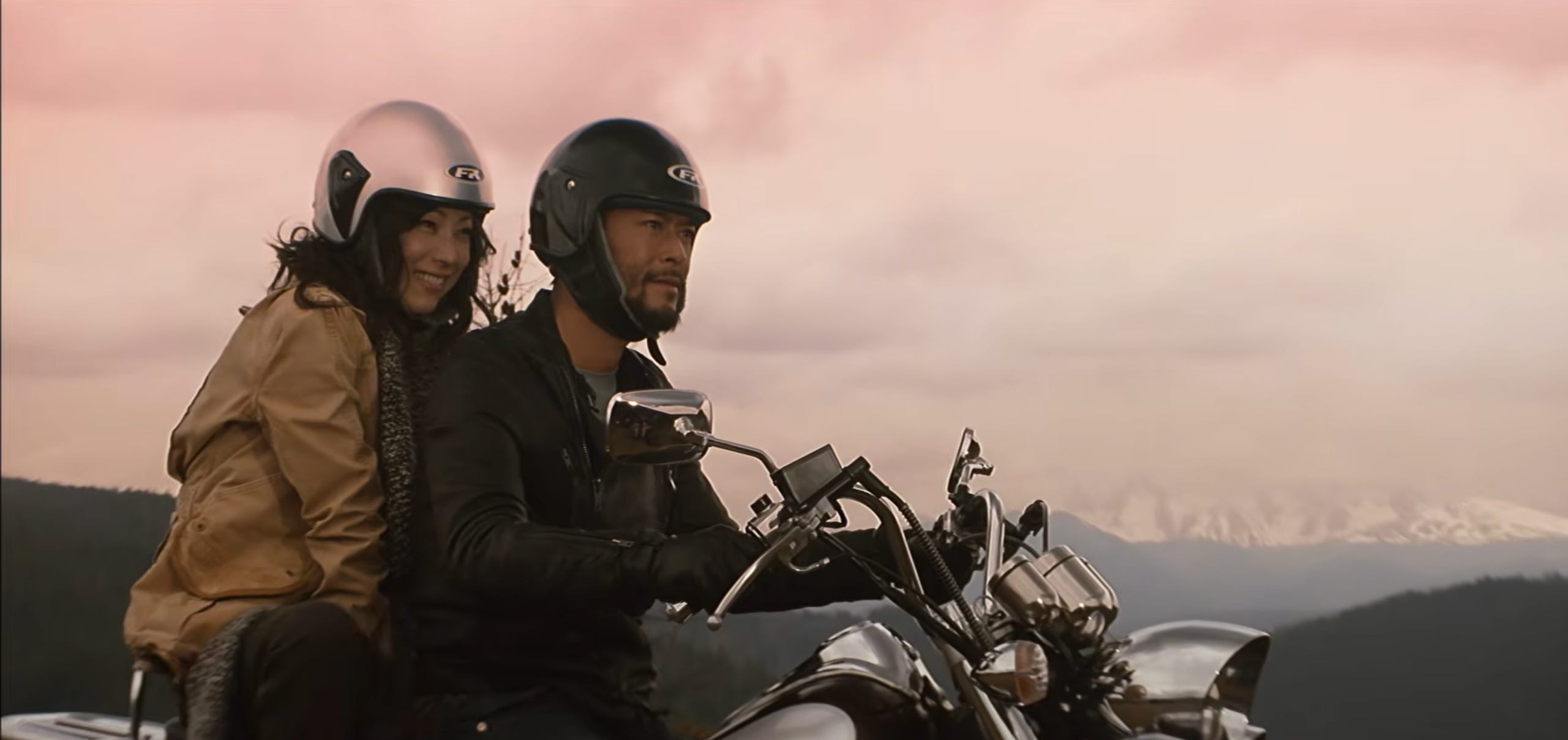
Breathe in. Breathe out. Simple, right? Most of us never think about it — until we reach higher ground. Suddenly, every step requires more effort, and every breath becomes more deliberate. Given enough time, the body slowly acclimatizes to conditions that won’t change. Heartbreak is similar, is it not?
A quick note: This piece discusses Romancing in Thin Air from beginning to end. If you haven’t seen the film yet, I highly encourage you to seek it out first. It’s a beautiful experience to encounter on its own terms.
On the surface, Johnnie To’s Romancing in Thin Air begins as a romantic comedy, but what it’s preoccupied with is much more fundamental: how do you help another person breathe again after grief has stolen the air from their life?
First, you learn how to breathe for yourself. Before placing us in the mountainous Shangri-La County, To puts the focus on screen idol Michael Lau (Louis Koo), who, while receiving an award at a ceremony, publicly proposes to his girlfriend and co-star, Yuanyuan (Gao Yuanyuan). After suffering a humiliating (and equally public) jilting on his wedding day, Michael spirals, ending up at Sau’s (Sammi Cheng) hotel in the high-altitude Yunnan province. Battling his burgeoning alcoholism while suffering from altitude sickness, Michael, quite literally, is unable to breathe properly.
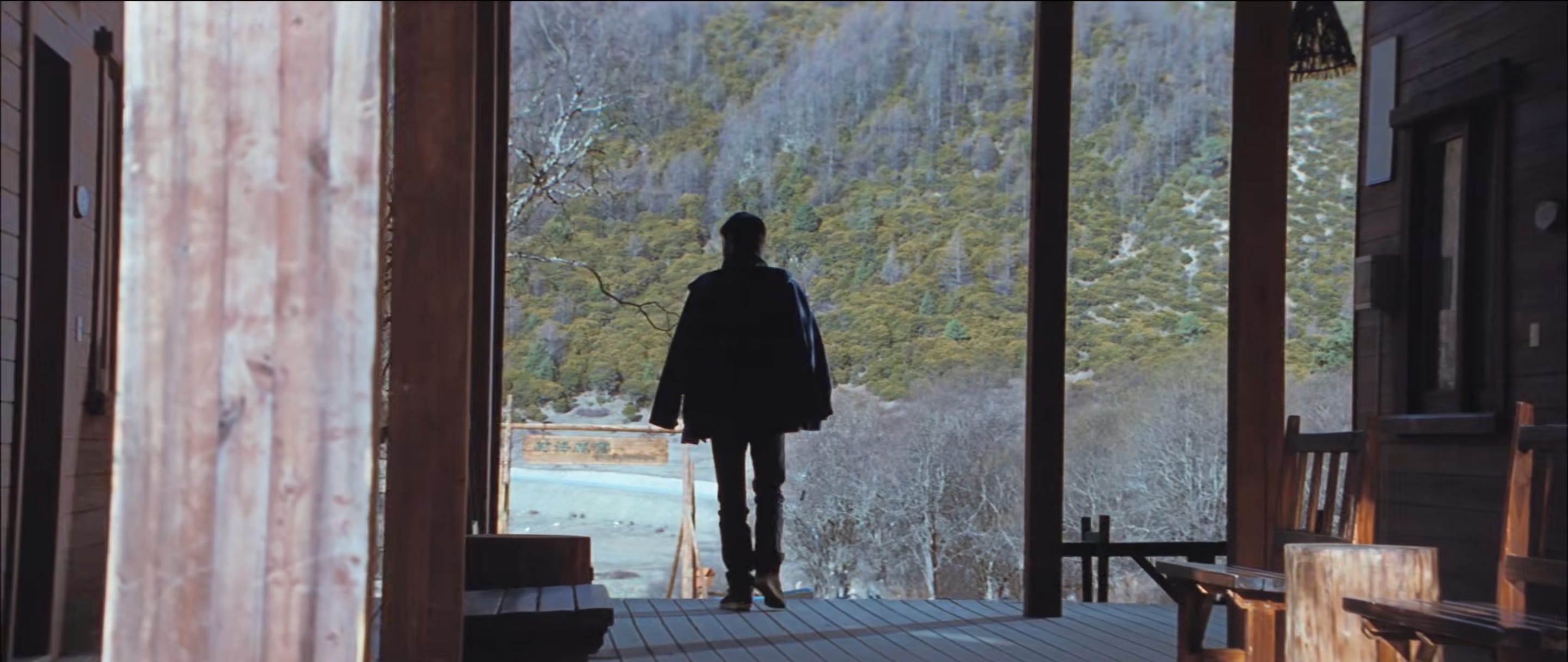
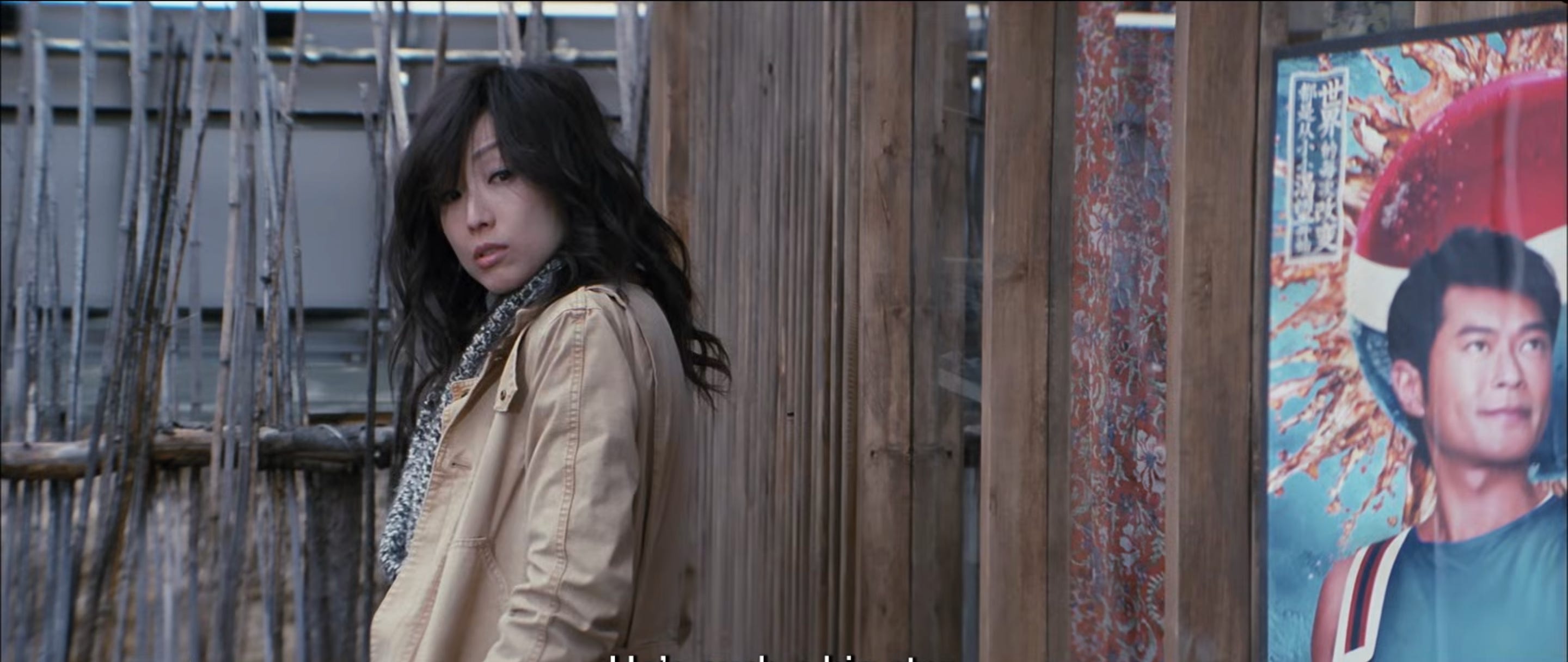
The air has also become stale in Sau’s life, and both she and her inn are frozen in time as she continues to hold out hope that her husband, Xiaotian (Li Guangjie), will return after he went missing in the forest seven years earlier. Initially, it’s lovelorn Michael who needs the most care, but he doesn’t recover because he falls in love. That would be too easy. Instead, he begins to recover because he starts paying attention. Once Michael learns the truth about Sau’s past, he doesn’t try to rescue her. He takes stock, noticing what needs repairing.
What To does so brilliantly is redefine romance through acts of maintenance. When Michael starts paying attention, his own understanding of love, once built on elaborate spectacle, shifts. Love shouldn’t always be born from a grand declaration or movie-star moment, right? It should reside in small gestures, patience, and thoughtful care. It could be cooking at the inn, or helping repair the roof. Maybe it’s making sure you’re well enough to care for someone else, as Michael chops wood to keep himself away from the bottle. Or perhaps it’s simply observing. Michael spends much of the film watching Sau from a distance, learning where her grief has settled before ever trying to change it.
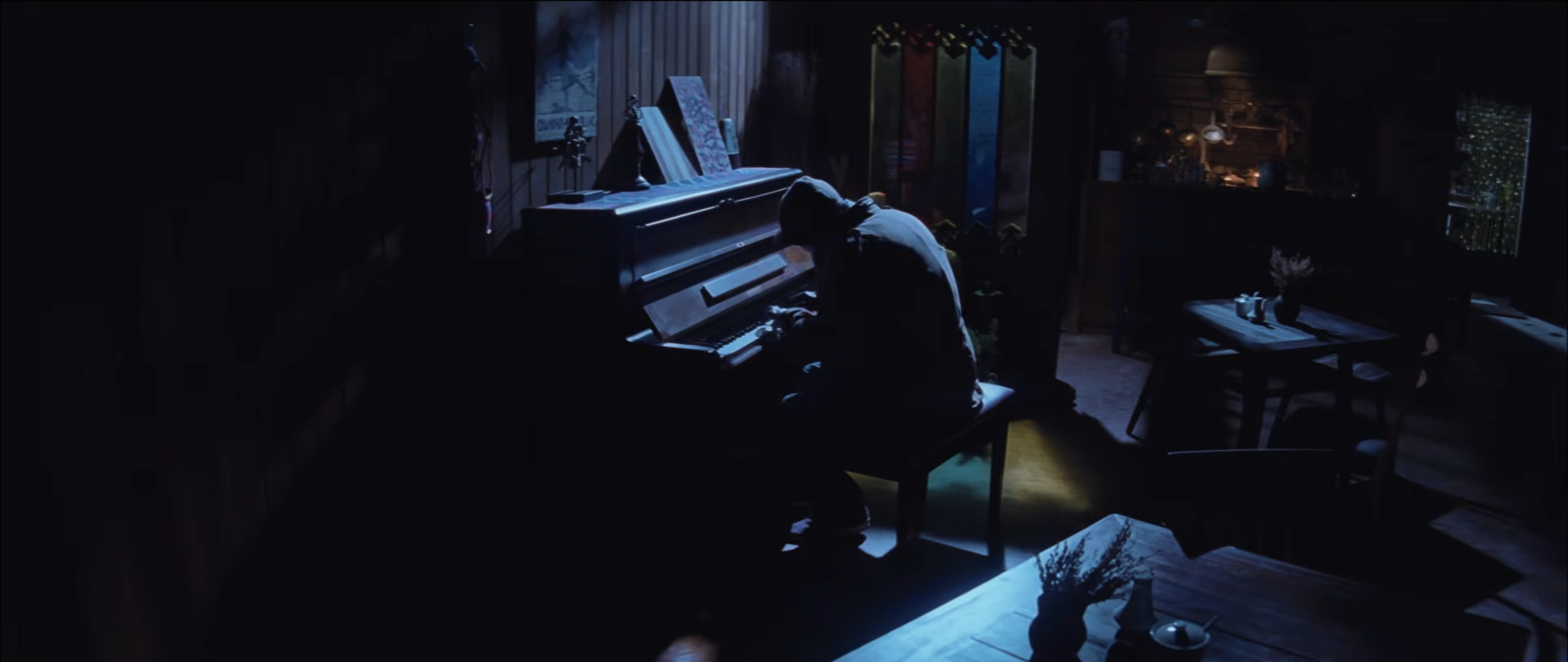
Eventually, Michael discovers there are some things that cannot be repaired. This is why the recurring detail of the broken piano matters so much. Early on, Michael discovers that Sau’s piano has three broken keys. When he tries to fix it for her, he makes matters worse, and she sends it off to be professionally repaired — and brought back to its original broken state. The piano belonged to Xiaotian, and as long as it remains untouched, the possibility of his return remains untouched, too.
At one point, Michael returns to the piano. When Sau sits next to him one day, he explains how much time he’s spent trying to compose around the broken keys. He can’t, so he accepts them as part of the instrument itself. “This is what people are like,” he tells her. “The things we’ve lost, we hold in our hearts. We can’t let go, hold ourselves captive.” Love is knowing the difference between what can be repaired and what must be lived with.
Xiaotian is ultimately found, though not in the way Sau had spent seven years hoping for. Faced at last with the certainty she had postponed for so long, Sau begins the painful process of letting go. Michael, meanwhile, discovers one final way to care for another person. If repair has guided him this far, creation becomes the next step.
Drawing on all his observations thus far, Michael pens a script based on Sau’s ill-fated love story. When he brings it to Yuanyuan to read, she’s moved to tears by the romance, but gently asks him why it has to end so sadly. “That’s how it is,” he replies.
Once his film, Romancing in Thin Air, reaches theaters, the news eventually finds its way to Sau, who goes to see it for herself. Her own fairy tale unfolds on screen, along with the heartbreak that followed. Overcome with emotion, she rushes to leave the theater… but she stops herself. Then, cinema begins to imagine the ending that reality could never give her. Xiaotian, who lost his life just as he was about to leave the forest, makes it out. Michael accompanies Sau to the hospital, watching as she and Xiaotian are reunited while the melody he composed for her begins to play.
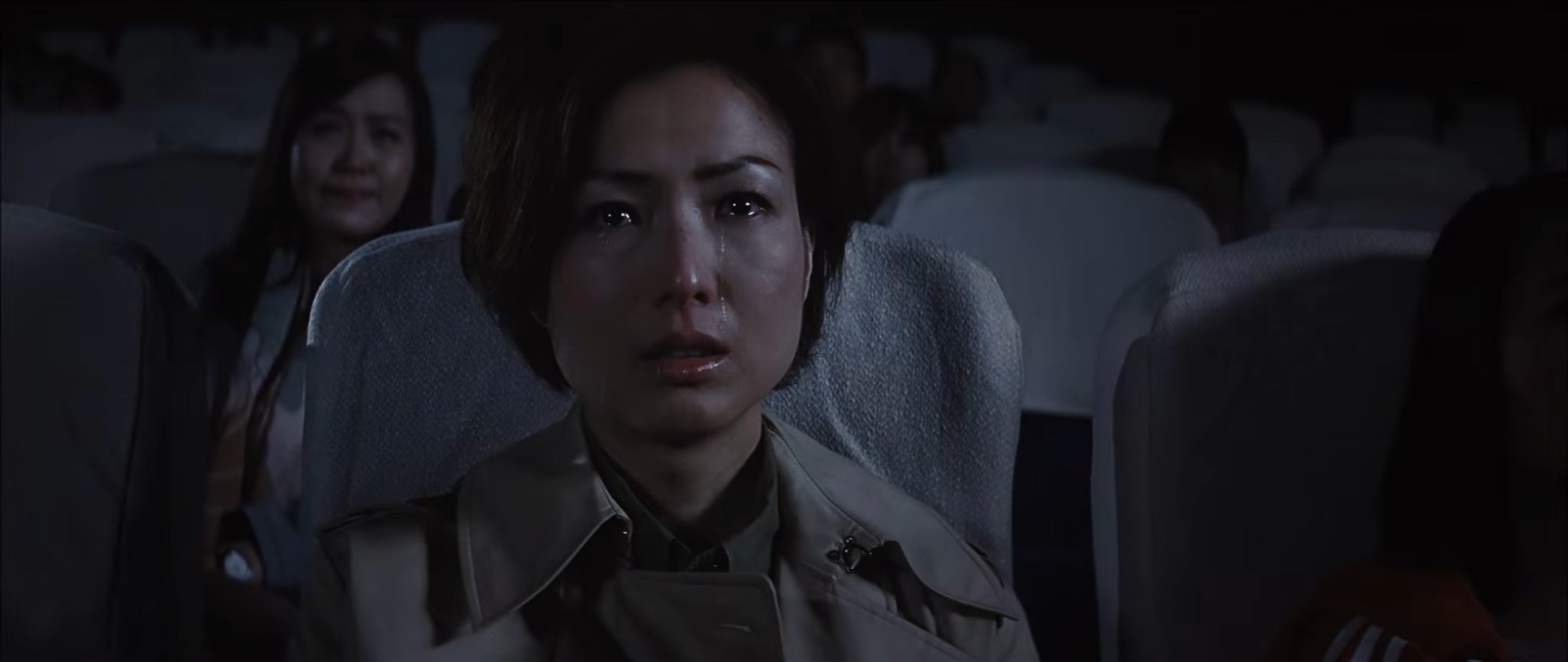
As the real-life Sau collapses in the theater and whispers, “thank you,” it’s clear Michael has stopped trying to repair reality itself. There may be no more compassionate gesture than what he gave her: a space where healing can exist.
By the film’s conclusion, Michael isn’t trying to “win” Sau in the conventional romantic-comedy sense. After watching his film, Sau realizes it’s time for a new chapter. Heading back to the forest’s entrance, she buries her husband’s things and steps onto the bus to head home. Seeing smoke rise from the inn she sold, she gets off the bus, only to discover that all the familiar faces are still there. Michael bought the inn, and he’s given everyone their jobs back. His final gift? An act of preservation. As they reunite, she helps him unload her old truck. In turn, he helps her preserve the life she’s finally ready to keep living.
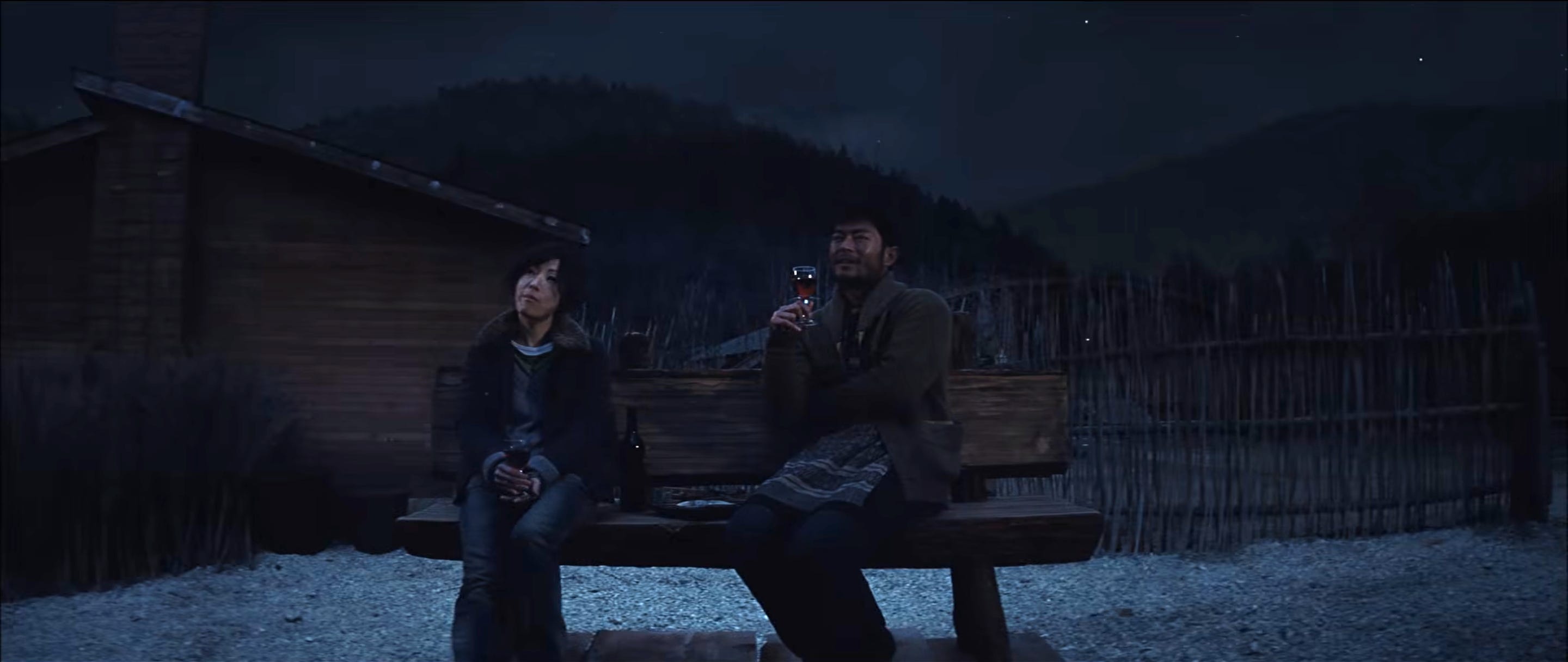
The piano still has three broken keys. The inn is still the inn. Heartbreak never becomes easier because the air changes. It’s we who slowly learn to breathe differently.
Breathe in. Breathe out.
The greatest gift is helping another person find enough air to keep moving forward.
Absolutely wonderful writing Marta